Photo: (CC-BY_SA)

About

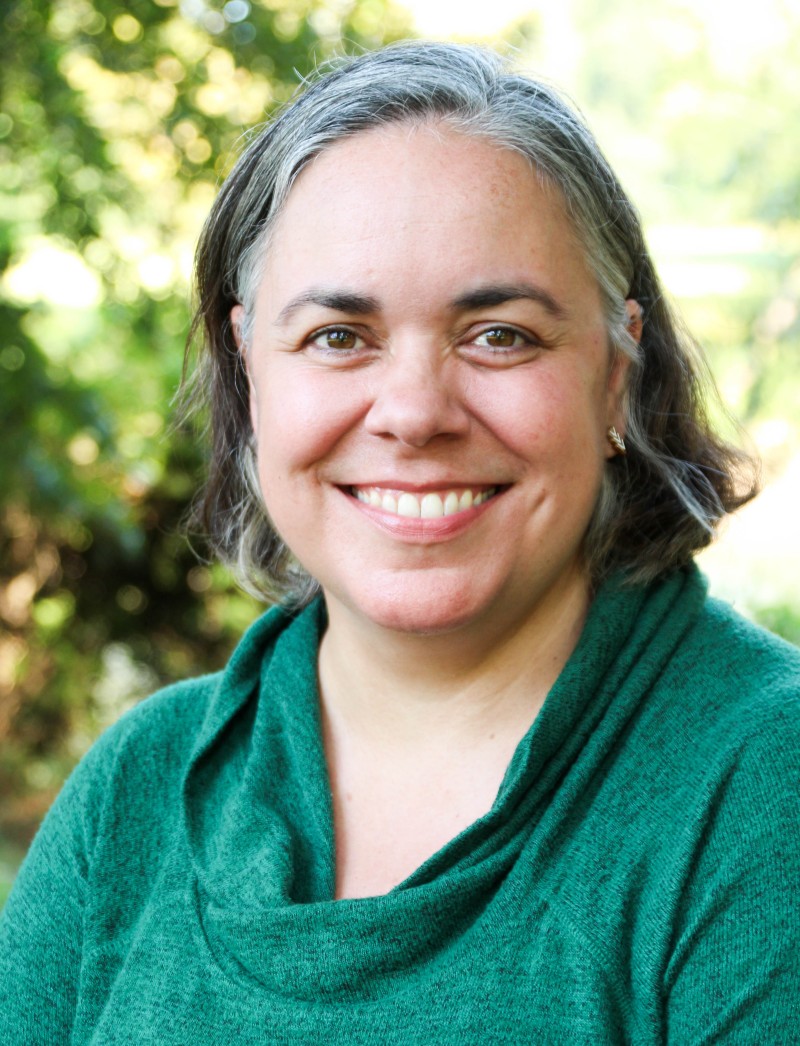
Stephanie Opperman

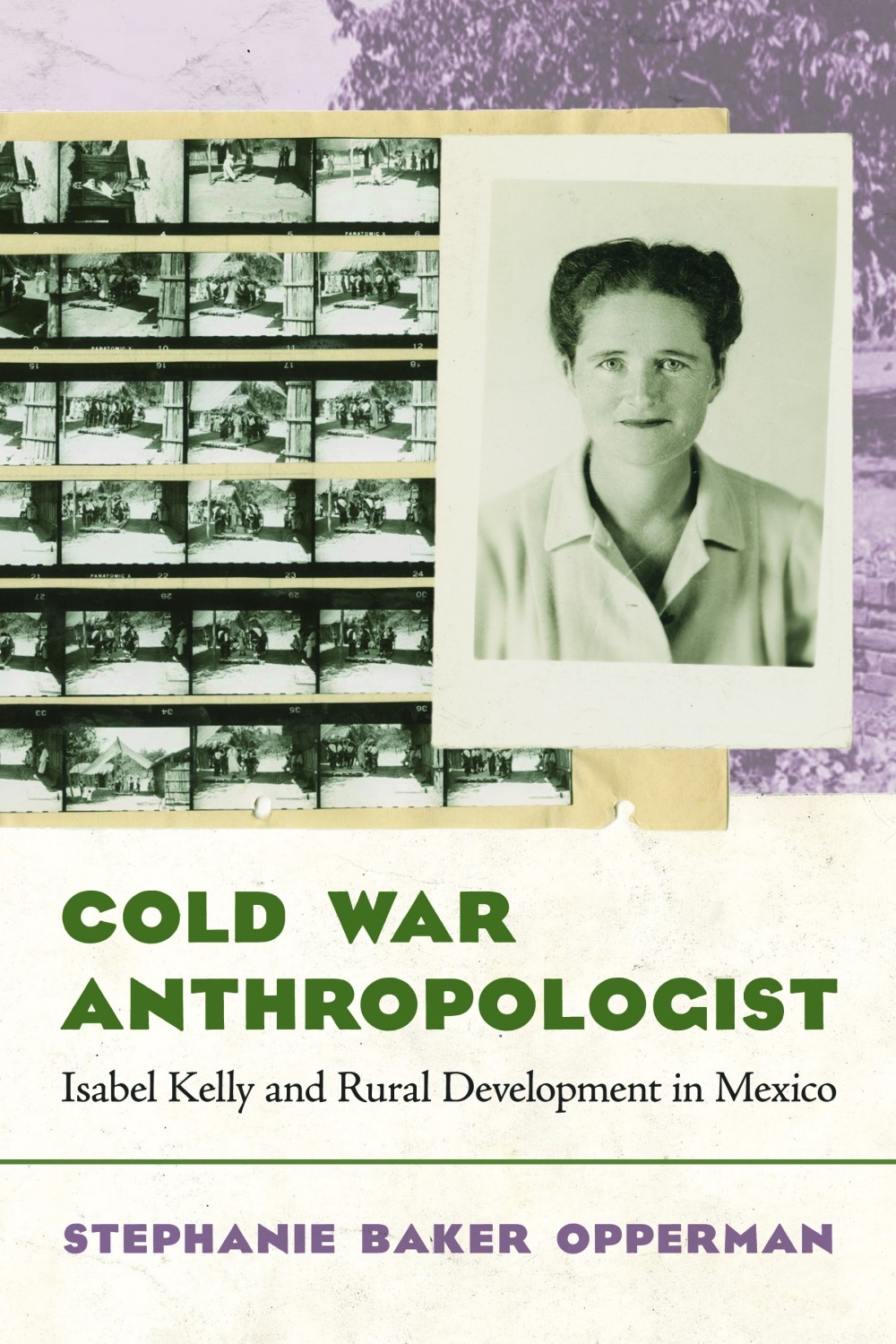
Stephanie Opperman is a Professor of History at Georgia College. She earned her doctorate from the University of Illinois Chicago in Latin American History. Her research interests focus on microhistories of women’s lives as the context for larger discussions of global society. Her book, Cold War Anthropologist: Isabel Kelly and Rural Development in Mexico, examined the career and personal life of Kelly in relation to evolving practices within diplomatic and anthropological circles. As the Principal Investigator and Co-Program Director for the NEH grant, “Flannery O'Connor and Milledgeville: Collecting the Past,” she worked with students to use Flannery O’Connor’s biography as the foundation for a more in-depth study of local history during the time of her writing career. Her current research centers the story of an African American female night club owner within a broader analysis of the active diaspora of Black musicians, singers, writers, and artists during the 1930s-1950s, not only demonstrating the global popularity of Black culture in this period but also the systems in place that fostered more intricate webs of connection between global populations.

Next

Book

Cover of Cold War Anthropologist: Isabel Kelly and Rural Development in Mexico

Cold War Anthropologist: Isabel Kelly and Rural Development in Mexico. From the University of Arizona Press, available here.

Next

Teaching

Course Themes

  • Coffee: A Global History
  • Colonial Latin America
  • Cuba in a Global Society
  • Health and Society in Latin America
  • Historical Methods
  • History of Global Public Health
  • Intro to Oral History
  • Latin American History through Films
  • Latin American Revolutions
  • Mesoamerican Foodways
  • Mexican Foodways and Celebrations
  • Modern Latin America
  • Modern Mexico
  • Revolutionary Cuba
  • Senior Thesis Capstone
  • The Southern Border
  • US-Latin American Relations
  • Women’s Activism in the Americas
  • World Civilization and Society II
Next
Photo: (CC-BY)

Writing

  • Sandra Rosseter, Oscar Davis., Jr., Benjamin Lewis, Emily Davis, and Mary Dean Lee, with Stephanie Opperman, Victoria Riva, Charlotte Aexel, and Juliann Mackiewicz, “Oral History Highlights from ‘Flannery O’Connor and Milledgeville: Collecting the Past,’” Flannery O’Connor Review 23 (2025): 1-10.
  • Opperman, S.B. “‘There Was No ‘Family Planning Movement, There Was Just Us’: The Asociación Pro-Salud Maternal and Birth Control in 1960s Mexico,” Journal of Women’s History 34:2 (Summer 2022): 97-118.
  • Opperman, S.B., “Using ‘Public Health Crossings’ to Create Community-Based Rural Healthcare in Mexico: The Case of Two Health Centres in Xochimilco.” Bulletin of Latin American Research 38:1 (January 2019): 35–49.
  • Opperman, S.B. “Bienestar Social Rural: Improving Rural Physical and Social Well‐Being in 1950s Mexico.” The Annals, special issue of The Latin Americanist, 60:1 (March 2016): 79-93.
  • Opperman, S.B. "Modernization and Rural Health in Mexico: The Case of the Tepalcatepec Commission." Endeavour, Special issue on Continuity and Change in the History of Mexican Public Health, 37:1 (March 2013): 47–55.
Next
Next